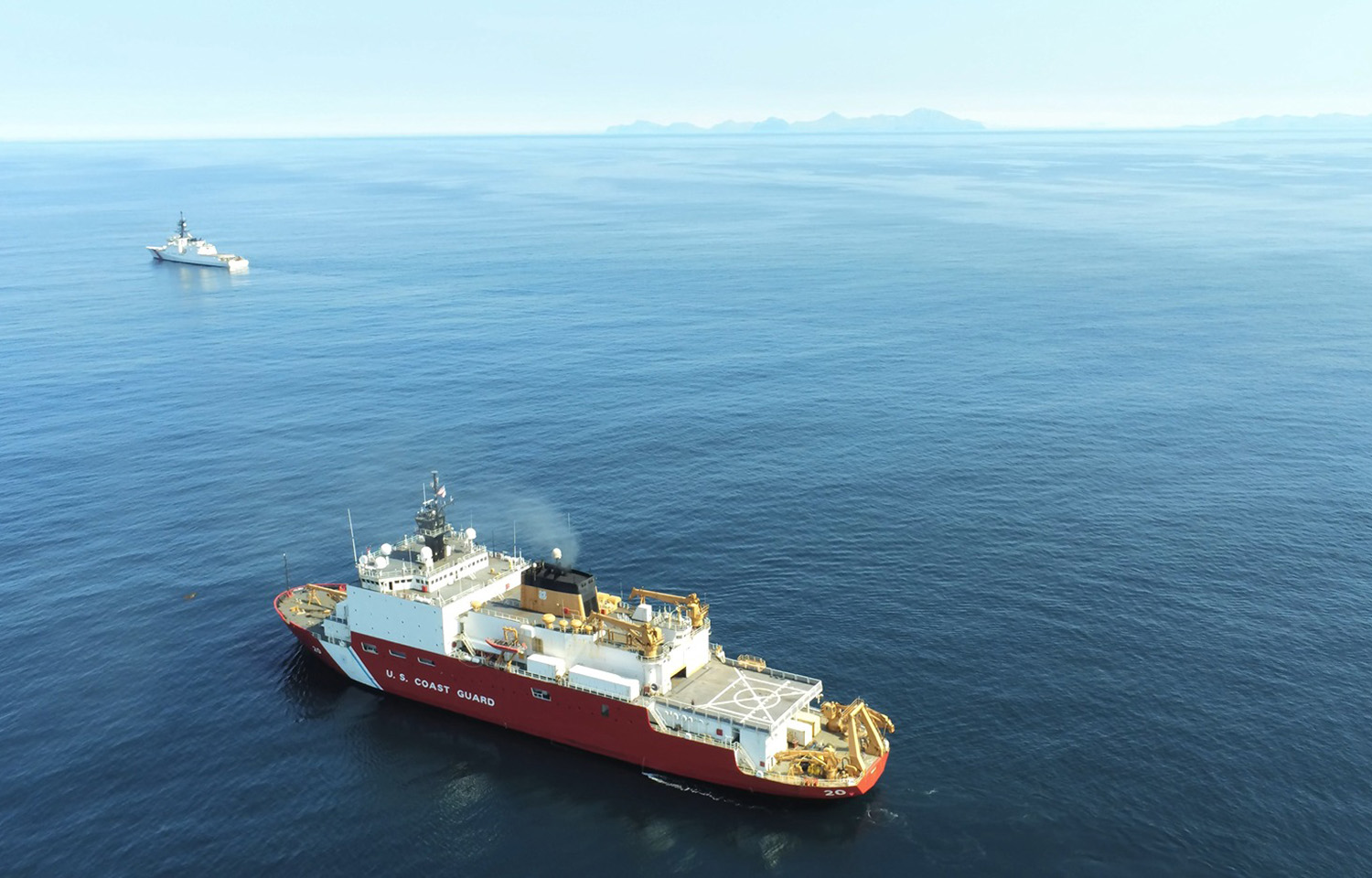
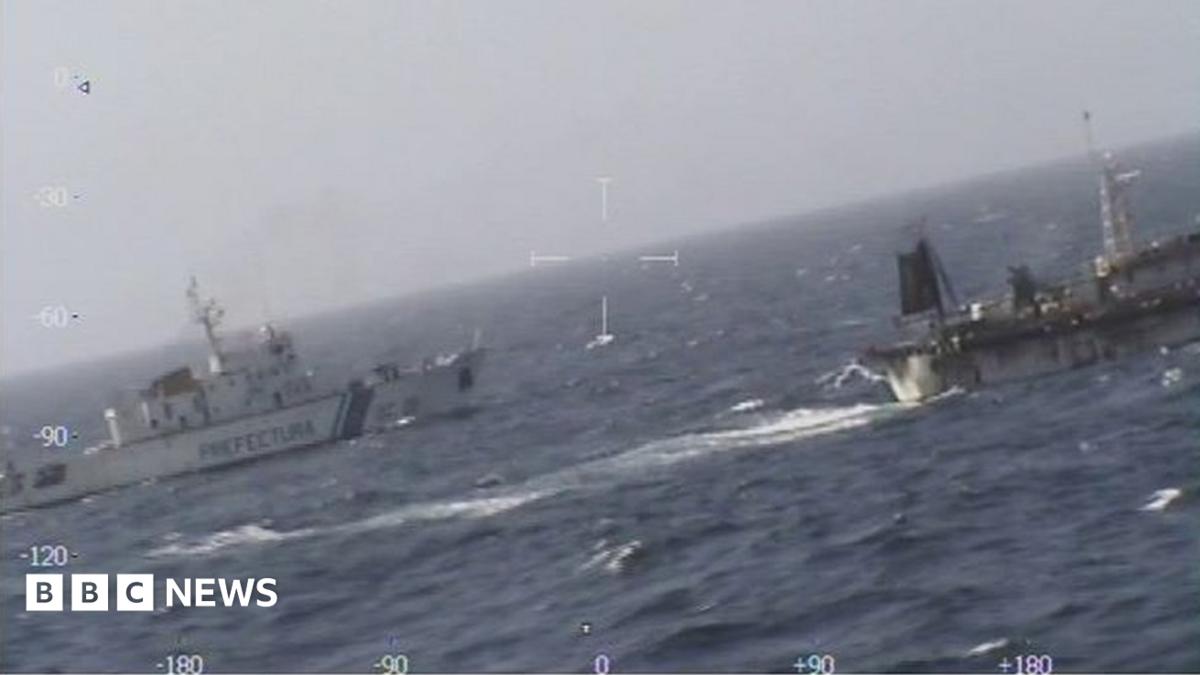
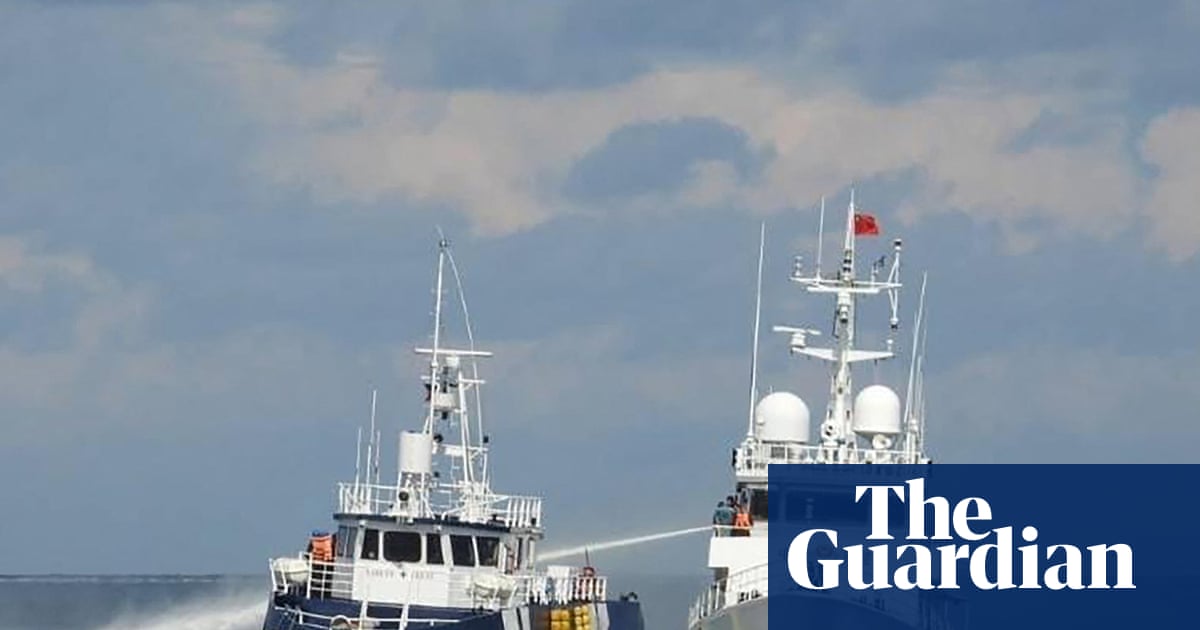
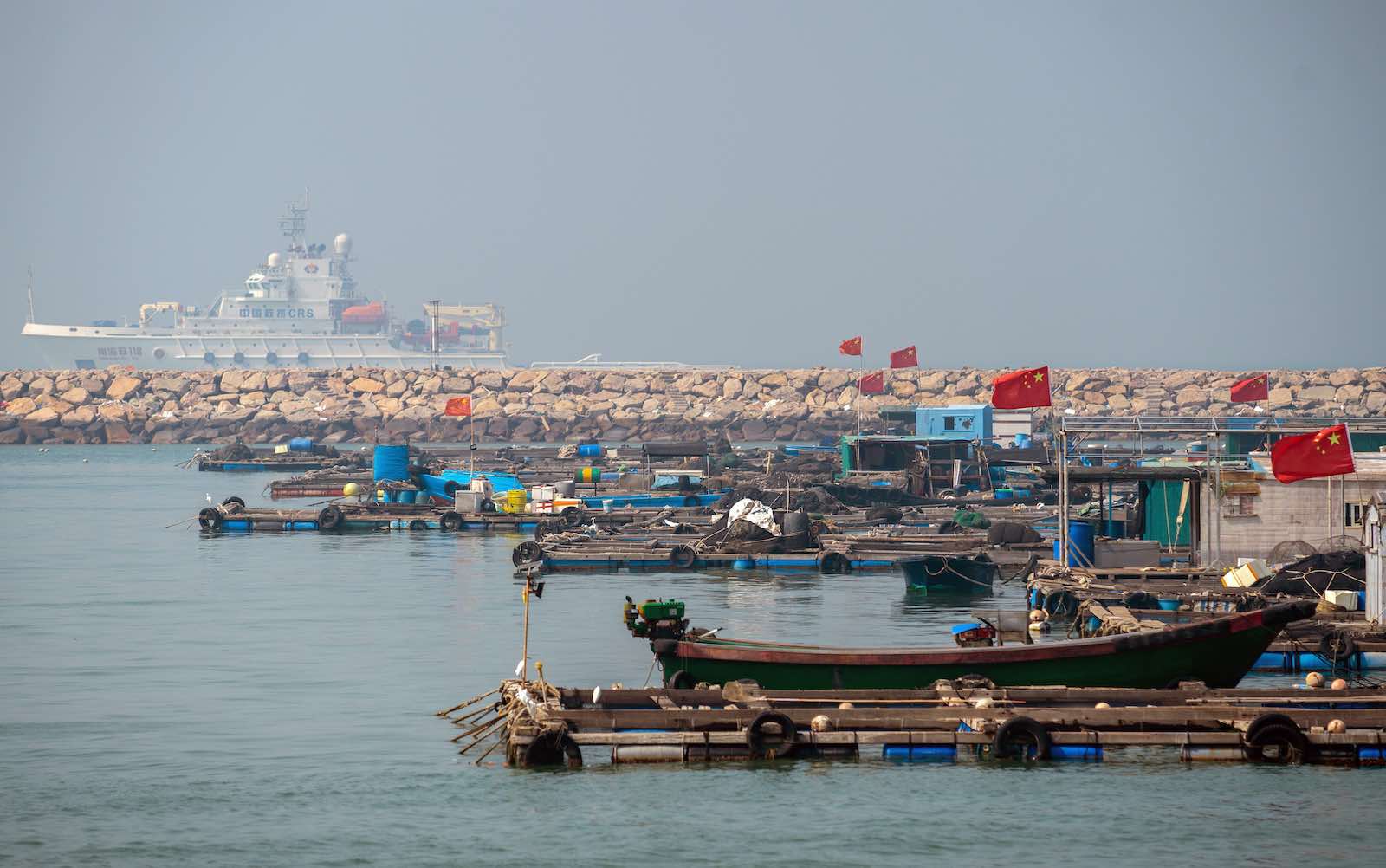
I am not really trying to personally debate the claim or the legal situation. I am using it as an example of a situation, outside of apparently the only conceivable situation where Canada would come under threat, that does not include ICBMs being fired at Canada and therefore the US as a unified holistic entity will always 100% side with any and all Canadian interests and that will always, come to Canada's defence, even if they don't want to.
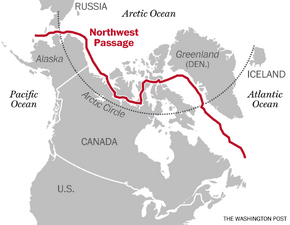
That particular US take on the NWP is not something universally held as true, even in the US.
There is no universal truth in America. There is no universally held truth that the earth is round or the orbits the sun or that we are more than 5,000 years old. The fact that it not universally held is not that important, its more important that is it and issue where some Americans might disagree with some Canadians. So perhaps which Americans believe what. The current administration seems to openly challenge not just the NWP, but the entire sovereignty of Canada.
The NWP is also quite a bit different from international waterways like the Strait of Malacca or Strait of Hormuz, so even if the current US interpretation of UNCLOS (interestingly it appears that the US has not ratified UNCLOS either...) should things end up before an international court or tribunal, it is distinctly possible that the end result could affirm the position of Canada.
Given the current state of the world I think its unlikely that China will respect the international court. If that was the solution there would be no dispute in the South China Sea.
South China Sea Arbitration - Wikipedia
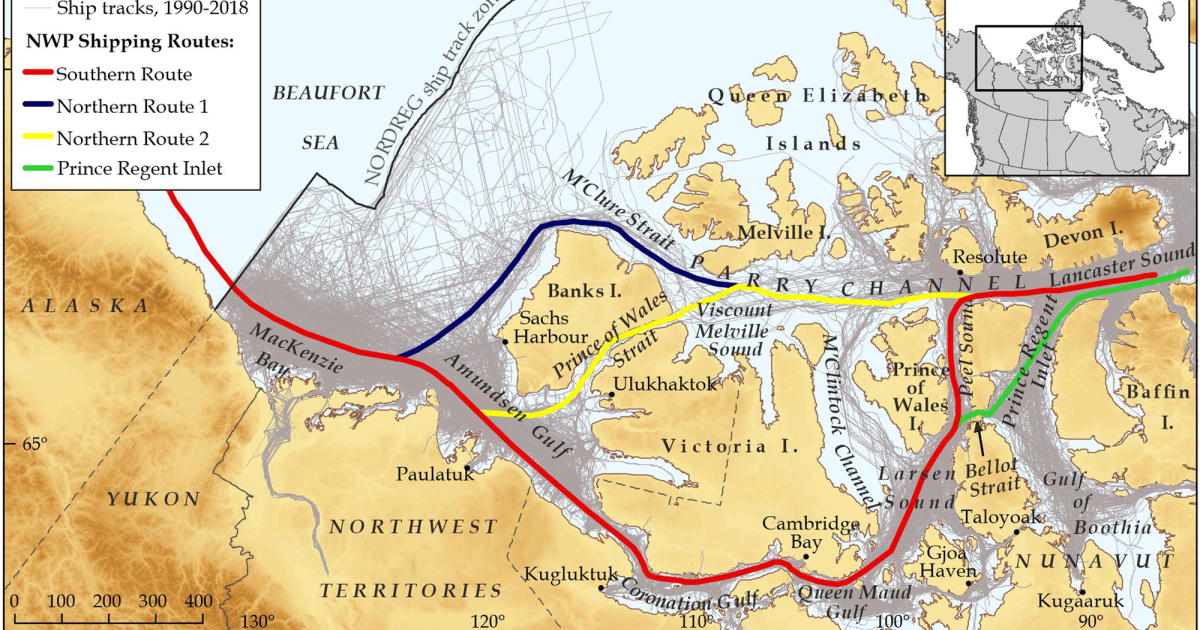
After all, part of the NWP as a SLOC if it were open/ice-free would pass between a portion of Nunavut on mainland Canadian, and Victoria Island which is an inhabited Canadian island split between the Nunavut and Northwest Territories administratively.
Not sure that matters. That seems like Canadian norms and code.
Furthermore, Victoria Island at it's closest point is only ~27 km from the Canadian mainland, with no non-Canadian land or territorial claims adjacent to or on the shore of long stretches of the waterway. That lack of valid territorial claim makes it quite different IMO from the situation in places like along the Strait of Malacca, where the strait also functions as a boundary between Malaysia and Indonesia, or between Indonesia and Singapore, or in areas where both Singapore and Malaysia could have claims to the waterway.
So, by extension, Canada also support China closing the Taiwan strait to international shipping? Also the seas between Mainland China and all of its far flung converted atolls? Again, the legal status or strength of the case is not particularly important. Its that it can be challenged. Any territory can be challenged, Ukraine is being challenged right now, and no motions through the international courts is stopping Russian tanks. No magical NATO police force has appeared. The US hasn't come in and saved everyone. Both the US and Iran closed the straits. It was not resolved in a court of international law.
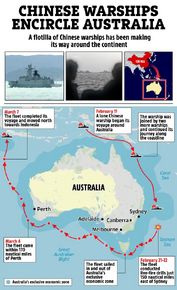
For further context, the Bass Strait is not considered an int'l waterway whilst being ~210 km at the narrowest point between TAS and mainland Australia.
Bass strait is totally open to international shipping, so is in a different category to NWP. The distance between the islands in the island chain between Tasmania and mainland Australia is about 40km. There are smaller islands there. Its not just a clear open water strait.
Australia must insist on full removal when ExxonMobil decommissions offshore project, Wilderness Society says

www.theguardian.com
Prof Donald Rothwell, who specialises in international law at the Australian National University, said Bass Strait was used for international navigation and had special status under the UN convention on the law of the sea and related International Maritime Organisation guidelines. As a party to the Unclos, Australia was obliged to remove all structures from Bass Strait when they were no longer in use, he said
This is what international law is more about. Not to physically stop two states warring.
But generally there is no need for international shipping unless its going to NZ or AU to really pass through there. Australia is a big place, we aren't particularly sweating it. There is no state, not the US or China, that seems to want to interfere with our bass strait Big island-Tasmania controversy. Fewer still who could project power there, even fewer that could do it in a conflict. And there is no foreseeable gain.
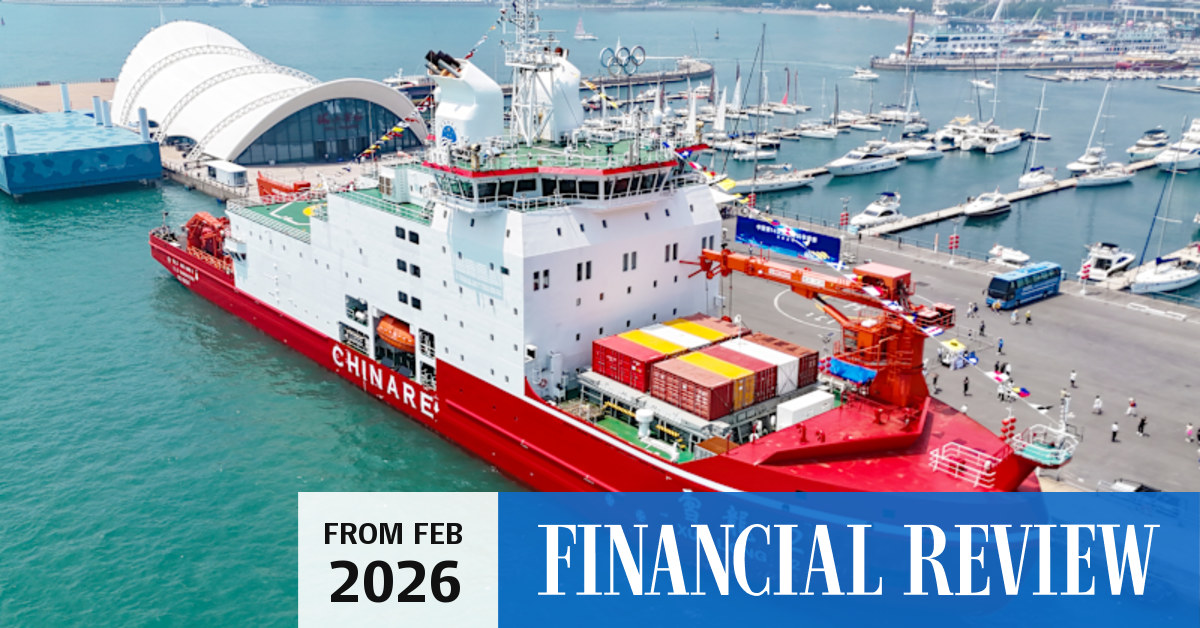
The NWP is different, people may be interested in using it. People may definitely be interested in using the NWP controversy to annoy Canada and create ambiguity in western views on the South China Sea.
I understand Canadians see it differently. That's the point. I'm just not sure that All of America sees it the same way, and will prioritise protecting Canada's claims over quarter of a million of its own citizens. Every nation has limits, the US can totally be over committed. While US power may seem limitless, it definitely isn't. US political security is essentially non-existent at this point.
In a world where the global order is broken, there is no international law, global shipping is impossible, the US is in an existential fight or competition with China, relying on anything other than hard power to continue norms, assert territorial claims, secure shipping, EEZ, national sovereignty and security is perhaps too optimistic.