
You are using an out of date browser. It may not display this or other websites correctly.
You should upgrade or use an alternative browser.
You should upgrade or use an alternative browser.
Indonesia: 'green water navy'
- Thread starter Supe
- Start date



Ananda
The Bunker Group
Video from Kompas TV on the Nanggala salvage operation progress. The effort from Chinese vessels to lift heavier parts like the conning tower/sail section has not been successful yet. Their calculation that the conning tower/sail section weight 18ton, turn out not accurate. Seems with the force of impact, significant portion of Nanggala parts already covered by ocean bottoms. This seems required more lifting capabilities to release them.
The sonar finding shown some kind of crater near the location. Whether this is related or not, still has not been confirmed. The condition of Nanggala shown result related to rapid decent. TNI and MinDef seems determine to continue the salvage operation. The need to find what really happened Important Politically, as the voices to do audit on Submarine operation and overall maintenance getting louder.

Begini Kondisi Kawah Dasar Laut Diduga Lokasi Badan Tekan KRI Nanggala Terkubur
Badan tekan (pressure hold) KRI Nanggala 402 belum ditemukan. Badan tekan tersebut diduga terkubur di kawah dasar laut yang sulit ditembus.
 bali.inews.id
Other media site shown TNI-AL and Chinese team only manage to find Bow, Stern and Conning Tower/Sail section. The main fuselage/Pressure Hull has not been located. The worries is the hull complete covered in mud of ocean bottoms, or worse fall into the crater near the location.
This's getting more complicated.
Last edited:
Ananda
The Bunker Group
Japan looks to introduce finance system for defence exports
The government of Japan is reportedly looking into the possibility of supporting defence exports through the provision of low-interest loans.
 www.janes.com
As expected, Japan will formulate soft financing for their defense export. If this financing scheme comparable to what they give under JICA, then they can potentially gain good market with their ODA long term partners in South East Asia.
Last edited:
Ananda
The Bunker Group
From PT. PAL FB page. From this meeting between Indonesian Ship Yard association, PT. PAL CEO talk on how forward relationship between PAL and Other Shiyard, especially on handling Defense related Projects.
Seems PAL want to possition other shipyards as their Sub Contractors on handling defense projects. This going to shown how the involvement on Indonesian other shipyards (especially private commercial ones) with issue on getting Defense related Projects.
Last edited:

Sandhi Yudha
Well-Known Member
@Ananda like you already predicted, it seems that the current administration takes the submarine construction program seriously.
I dont know what "K/L" means, but here is some kind of overview for next year.
I dont know what "K/L" means, but here is some kind of overview for next year.
@Sandhi Yudha K/L in this context is an acronym for Kementerian/Lembaga or Ministry/Institution. Belanja K/L then means spending done by either a ministry or a state institution. The table is thus the planned spending by either the ministry of defense or the Armed Forces or related bodies like the Army/Navy/Air Force/etc.
Ananda
The Bunker Group
you already predicted, it seems that the current administration takes the submarine construction program seriously.
That quote from Kris that you shown come from Meneg BUMN (SOE Ministry) plan. They already committed large sum of Investment toward PAL submarine facilities. Thus they have to move toward fully utilisation. It will be Politically unwise if those facilities can't get full utilisation.
Question remains for some time is whose going to be the Foreign Partner. Rumours circulate that it will come down to DSME and TKMS. Eventough PAL already has quite advance talk with Naval Group, but rumours circulate (at least in Finance people), the French financing focus on Rafale, while the Germans and Koreans compete more on Submarine packages. Then again it's still 'rumours'.

Progress Pembangunan KCR Telah Mencapai Pada Pemasangan Shaft Propeller .. Hallo #SobatPAL, ada kabar baik dari proyek KCR 5&6, dimana proses... | By PT PAL Indonesia - Facebook
Progress Pembangunan KCR Telah Mencapai Pada Pemasangan Shaft Propeller .. Hallo #SobatPAL, ada kabar baik dari proyek KCR 5&6, dimana proses...
 fb.watch
From PAL FB page, shown the progress of KCR #5 & #6. It's also being rumours that the #5&6 will be the last KCR 60, as they will move toward OPV 90. PAL already prepared two OPV design of 80m and 90m, both derived from KCR 60 design.
Incidentally in one of their online poster also put KCR 60 as OPV. The guy in Twitter ranting about Navy wants to have faster FMB/KCR. Is this sign of KCR 60 being switch to OPV ? Just sometimes love to see how 'rumours' developed on Indonesian Government Projects
Last edited:

Decoding Indonesia’s submarine choices — Part 1
2. The TNI AL can also leverage on the 3D parts printing advances that TKMS and ST are jointly investing in, a capability that will be resident in Singapore after the delivery of the 2,200 ton (submerged), Type 218SG — this will reduce costs of maintenance and improve safety for TNI AL.
3. The 65 m long, Type 214’s AIP system is mature and superior to the Stirling AIP system found on the 77.6 m long Type 039A or 039B submarines (NATO reporting name: Yuan class). This will also give the TNI AL superior submerged endurance when compared to the 61.7 m long, Scorpene-class operated by Malaysia. Speaking of Malaysia, the sorry saga of Boustead Holdings Bhd and its subsidiary that owns the unprofitable shipyard, namely Boustead Naval Shipyard Sdn Bhd (BNS), is a cautionary tale of a failed attempt of trying to build locally, to create a defence eco-system. Defence Minister DS Ismail Sabri, decided to allow the resumption of the Littoral Combat Ship (LCS) project to protect the interest of the workers and companies in Malaysia but the Navy itself does not benefit from the bailout money paid for the LCS project (that is many years late and over budget).
1. I have a slight preference for the 1,860 ton (submerged), Type 214 offer by TKMS due to its default CMS integration with a huge range of underwater weapons and UUV suppliers (be it from the Americans, Italian, German, Israeli and even Singaporean suppliers)— its not just about the platform but access to weapon systems to be fired from the submarine — which is a critical war fighting advantage.Rumours circulate that it will come down to DSME and TKMS. Eventough PAL already has quite advance talk with Naval Group, but rumours circulate (at least in Finance people), the French financing focus on Rafale, while the Germans and Koreans compete more on Submarine packages. Then again it's still 'rumours'.
2. The TNI AL can also leverage on the 3D parts printing advances that TKMS and ST are jointly investing in, a capability that will be resident in Singapore after the delivery of the 2,200 ton (submerged), Type 218SG — this will reduce costs of maintenance and improve safety for TNI AL.
3. The 65 m long, Type 214’s AIP system is mature and superior to the Stirling AIP system found on the 77.6 m long Type 039A or 039B submarines (NATO reporting name: Yuan class). This will also give the TNI AL superior submerged endurance when compared to the 61.7 m long, Scorpene-class operated by Malaysia. Speaking of Malaysia, the sorry saga of Boustead Holdings Bhd and its subsidiary that owns the unprofitable shipyard, namely Boustead Naval Shipyard Sdn Bhd (BNS), is a cautionary tale of a failed attempt of trying to build locally, to create a defence eco-system. Defence Minister DS Ismail Sabri, decided to allow the resumption of the Littoral Combat Ship (LCS) project to protect the interest of the workers and companies in Malaysia but the Navy itself does not benefit from the bailout money paid for the LCS project (that is many years late and over budget).
Last edited:
Ananda
The Bunker Group
Rumours that circulate on Indonesian defense blog and online forums, stating that what Naval Group offer to counter TKMS 214 package is what similar to Brazilian Riachuelo and not standard Scorpene. Basically Naval Group offering similar Brazilian packages on Industrial cooperation. Naval group offering Brazilian types as Submarine that already optimised for Tropical and Sub Tropical operation.
However TNI-AL preference already known for sometime with German Submarines. As reminder if not to Financial crisis 98, TNI-AL already operating at least 4 type 206 ex bundesmarine on top two existing 209. All for the preparation to PAL plan development of more advanced 209 by early 2000. All of this I've seen it during 1996 Indonesian defense expo, when Habibie's team explaining strategic Industry plan toward Finance Industry people. (That's why I always said Soeharto regime in the 90's actually have more concrete development plan for Strategic Industries compared the 'democratics' Administrations after him).
Thus TKMS actually always got more preference within PAL and TNI-AL. DSME manage to cut TKMS more on cost factor and their willingness to support PAL submarine facilities construction. In the end the overall financing and industrial packages will win the day.
Last edited:
Decoding Indonesia’s submarine choices — Part 2
5. As I mentioned earlier, I have a slight preference for the German solution — from a value to capability standpoint. If the TNI AL can afford it, the French Naval Group offer of a larger and more expensive submarine is also excellent.
6. But we have to keep in mind that the PLA(N) has been evolving the 77.6 m long, Yuan class design since 2013 and even exported a variant of the design to Pakistan. Pakistan is acquiring 8 Chinese-made S20 diesel-electric submarines based on the Yuan-class (Type 039A-series) design, with the first 4 boats to be built by CSIC and deliveries commencing to the Pakistan Navy from 2022. The remainder 4 will be built in Pakistan by the Karachi Shipbuilding and Engineering Works.
7. Certain disputed sources argue that the Yuan is a large conventional submarine, only marginally smaller than a Soryu-class boat—on the order of 15% smaller, only. If the Yuan comes out as being slightly bigger than a late model Kilo, it has the range and bottom sitting ability that exceeds any current TNI AL submarine. This is why Singapore’s concept of submarine operations has moved away from the Swedish coastal concept (with the 50m long, 1,400 ton Challenger class) to the more blue ocean capable Type 218SG (that is 70 metres long).
8. I think it is urgent to move away from buying more Type 209/1400 for the TNI AL but what to platform to choose is an Indonesian choice. But I would like to remind all reading that capability does not come from the platform alone but instead relies on CONOPS, smart submarine launched naval mines, UUVs and relevant weapons. Please budget for spending on the platform, weapons, smart submarine launched naval mines, UUVs, and maintenance.
4. The French can certainly compete in providing a 75 m long design that is as capable or more capable than the Type 214 — the issue is the price of the French offer, along with the TOT. IMO, the only ones that can compete with the TKMS (Germans) on price (a TOT basis) is DSME (the Koreans)....what Naval Group offer to counter TKMS 214 package is what similar to Brazilian Riachuelo and not standard Scorpene. Basically Naval Group offering similar Brazilian packages on Industrial cooperation...
5. As I mentioned earlier, I have a slight preference for the German solution — from a value to capability standpoint. If the TNI AL can afford it, the French Naval Group offer of a larger and more expensive submarine is also excellent.
(a) It’s just not as cheap to own or operate when compared. The TNI AL has to not only spend on the platform but on a range of weapons and UUVs to arm the platform, for it to perform missions without being killed by the enemy.
(b) IMO, TNI AL needs to look at any platform acquisition plan holistically — in Singapore’s submarine capability journey, less was spent on procurement initially (buying 5 submarines to maintain 4 Challenger class submarines) but more was spent on maintenance. Over time, instead of trying to grow the submarine fleet, Singapore chose to buy 4 new, to reduce maintenance and start to use UUVs to improve survivability, should shooting start in the South China Sea.
6. But we have to keep in mind that the PLA(N) has been evolving the 77.6 m long, Yuan class design since 2013 and even exported a variant of the design to Pakistan. Pakistan is acquiring 8 Chinese-made S20 diesel-electric submarines based on the Yuan-class (Type 039A-series) design, with the first 4 boats to be built by CSIC and deliveries commencing to the Pakistan Navy from 2022. The remainder 4 will be built in Pakistan by the Karachi Shipbuilding and Engineering Works.
7. Certain disputed sources argue that the Yuan is a large conventional submarine, only marginally smaller than a Soryu-class boat—on the order of 15% smaller, only. If the Yuan comes out as being slightly bigger than a late model Kilo, it has the range and bottom sitting ability that exceeds any current TNI AL submarine. This is why Singapore’s concept of submarine operations has moved away from the Swedish coastal concept (with the 50m long, 1,400 ton Challenger class) to the more blue ocean capable Type 218SG (that is 70 metres long).
8. I think it is urgent to move away from buying more Type 209/1400 for the TNI AL but what to platform to choose is an Indonesian choice. But I would like to remind all reading that capability does not come from the platform alone but instead relies on CONOPS, smart submarine launched naval mines, UUVs and relevant weapons. Please budget for spending on the platform, weapons, smart submarine launched naval mines, UUVs, and maintenance.
Last edited:
Sandhi Yudha
Well-Known Member
Thank you for sharing the update of KCR-60 #5 and #6, i really was wondering about their status. So after installing the propeller and rudder, they plan to install the SEWACO. That means the engine is already installed in the hull?That quote from Kris that you shown come from Meneg BUMN (SOE Ministry) plan. They already committed large sum of Investment toward PAL submarine facilities. Thus they have to move toward fully utilisation. It will be Politically unwise if those facilities can't get full utilisation.
Question remains for some time is whose going to be the Foreign Partner. Rumours circulate that it will come down to DSME and TKMS. Eventough PAL already has quite advance talk with Naval Group, but rumours circulate (at least in Finance people), the French financing focus on Rafale, while the Germans and Koreans compete more on Submarine packages. Then again it's still 'rumours'.
Progress Pembangunan KCR Telah Mencapai Pada Pemasangan Shaft Propeller .. Hallo #SobatPAL, ada kabar baik dari proyek KCR 5&6, dimana proses... | By PT PAL Indonesia - Facebook
Progress Pembangunan KCR Telah Mencapai Pada Pemasangan Shaft Propeller .. Hallo #SobatPAL, ada kabar baik dari proyek KCR 5&6, dimana proses...
From PAL FB page, shown the progress of KCR #5 & #6. It's also being rumours that the #5&6 will be the last KCR 60, as they will move toward OPV 90. PAL already prepared two OPV design of 80m and 90m, both derived from KCR 60 design.
Incidentally in one of their online poster also put KCR 60 as OPV. The guy in Twitter ranting about Navy wants to have faster FMB/KCR. Is this sign of KCR 60 being switch to OPV ? Just sometimes love to see how 'rumours' developed on Indonesian Government Projects
If im not wrong the SEWACO should be Terma's C-series Combat Suite, with Terma’s C-Flex Combat Management System, SCANTER 4603 X-Band radar, C-Guard Decoy Launching System and C-Fire Electro Optical Fire Control System.
| "They already committed large sum of Investment toward PAL submarine facilities. Thus they have to move toward fully utilisation. It will be Politically unwise if those facilities can't get full utilisation. "|
They easily can get away with it, with just blaming Covid-19. Standard practice for politicians this era.
Its how you bring it to the people. Telling that as a peaceloving country surrounded by friendly nations we dont need firepower (Luhut-style) or that because you are so pro-the-people you will spend the defence budget on poverty and economic growth.
As @OPSSG already said, its all about how much budget you want to spend on the submarine acquisition program.8. I think it is urgent to move away from buying more Type 209/1400 for the TNI AL but what to platform to choose is an Indonesian choice. But I would like to remind all reading that capability does not come from the platform alone but instead relies on CONOPS, smart submarine launched naval mines, UUVs and relevant weapons. Please budget for spending on the platform, weapons, smart submarine launched naval mines, UUVs, and maintenance.
In my opinion it will be a miracle if we proceed with the three Type 209/1400 Improved Chang-Bogos.
Last edited by a moderator:
Ananda
The Bunker Group
So after installing the propeller and rudder, they plan to install the SEWACO. That means the engine is already installed in the hull?
I believe in naval manufacturing, the engine being installed before superstructure enclosed. As the video shown, the superstructure already enclosed. Also as far as I know the propeller shaft being installed when all power installation has been done.
my opinion it will be a miracle if we proceed with the three Type 209/1400 Improved Chang-Bogos.
8. I think it is urgent to move away from buying more Type 209/1400 for the TNI AL but what to platform to choose is an Indonesian choice.
If not mistaken DSME 1400 being choose not because it's the best of the choices that come during SBY's term. However it's the most affordable choice with Industrial cooperation. DSME willing to provide complete path of Submarine Manufacturing Tech Transfer with 6 Submarine on two batch all within USD 2 bio +.
DSME 1400 is relatively affordable modern submarine on procurement and maintenance. Thus it's up to this administration on Political willingness to provide more procurement and maintenance budget. I do sense that the whole life cycle costs is what the 'finance' people demands from MinDef planning. The video that I've put showing interview with one of Jokowi's advisor clearly shown the life cycle sustainment costs already become their preference.
I agree with @OPSSG that for future deterrence, TNI-AL need to move from DSME 1400, even DSME already read that. Their offer on DSME 2000 design seems the way I see it, as one of the offer they try to put on continuing Industrial Tech Transfer with PAL. Off course the second batch that previously agreed was for DSME 1400. However they already talk in media that DSME 2000 is step forward from DSME 1400 for export market in SEA.
Not that DSME 2000 will be at par with proven 214 or Naval Group Riachuelo based Scorpene. However I do sense DSME will come with attractive package on cost and Industrial tech Transfer. For me, DSME 1400 or even DSME 2000 is kind of F-16 family. Affordable and still appropriate, even not the best choices for the future.
So unless they shown their willingness for more 'Investment' funds on Submarine project. I do agree with @Sandhi Yudha that more than DSME 1400 is a 'miracle'. Not saying that miracle and change of heart can't happen, but it'll need profound changes on Political will on defense approach. Something that I and seems @Sandhi Yudha has not yet seen happening on this administration. Hopefully we both wrong.
Last edited by a moderator:
Decoding Indonesia’s submarine choices — Part 3
10. If designed right, DSME 2000 can be ‘better’ than any existing submarine and on the cutting/bleeding edge of technology, including the untested Korean lithium-ion batteries and super capacitors (that store energy in terms of an electric field), that has not been deployed on their current submarines — what is the TRL level of this core technology? If built right, it can be very capable but that is unlikely, given that it is an untested design concurrently with untested TRL 6 or 7 and below technologies that needs time to mature. If built on time in 6 to 8 years, it can be worth while enhancement to TNI AL underwater capabilities — the Koreans get to be paid to build a design their own navy does not want, while Indonesia bears the risk. If testing goes smoothly, it can serve as a timely and cost effective replacement for TNI AL’s existing submarine fleet.
11. There are 4 ‘ifs’ above, which means a lot of Korean developmental risk transferred to Indonesia and paid for by Indonesia, over a gestation period of 8 to 12 years to bring this capability online and the TNI AL will need very deep pockets to pay DSME to fix bleeding edge tech problems found (or to be found) with so many untested and risky Korean technologies to be packed into this capable hull — look at all the problems that needed solving in realising any new submarine design and the problems with integrating any TRL 7 and below solution to a new design and common sense will tell you it is very unlikely to be built on time and within budget. If Indonesia does not plan risk management properly, the loss of a brand new submarine is a real possibility.
12. Italy’s Near Future Submarine (NFS) design will accommodate Italian diver delivery systems and includes as Italian weapons like the Blackshark torpedo and the new TESEO MK.2E (unofficially called EVO) anti-ship missile. More significantly, the NFS will incorporate Italian developed lithium-ion batteries in place of lead-acid. This is significant and is likely to be the first Western submarine to feature this technology. Currently only Japan fields submarines with this battery technology, although Italy and South Korea are close behind. If you look at:
13. Countries with much deeper pockets like Israel, Singapore and Australia as experienced submarine drivers have decided to forgo using this sort of advanced technology despite being offered (quietly on the side), because our DSTA understands the need for testing and allowing time for each risk to be tested and matured. Such tech may be considered for insertion as a major mid-life upgrade at 12 to 18 year mark, after commissioning, for the Type 218SG. This sort of upgrade will take the submarine off-line for 2 to 3 years at least.
14. This oracle of Twitter is again writing nonsense, to lobby for his preferred supplier in a way that only idiotic fanboys support — his lobbying efforts for the more expensive French offer is likely to end in failure. There is a difference of being on the bleeding edge and being on the cutting edge in FY2022 or FY2023. I am certain Singapore, who placed the orders for the Type 218SG submarines years ago, is watching Japanese, Korean, Italian and French efforts carefully to understand how the TRL levels are being matured as part of each vendor’s efforts. The Japanese are ahead of many in terms of incremental testing on, lithium-ion batteries and super capacitors, due to the fact of their ‘hot’ submarine production line.
15. Super capacitors allow a submarine to change its speed (transient speed change) in a manner that battery power alone cannot cope. I suspect but can’t confirm that the JMSDF are well on the way to developing hybrid “super batteries” that combine the best of both — a tech that they don’t intend to sell, for at least 10 to 15 years — to avoid its theft. The PLA(N) have spies watching this area and trying to penetrate USN and JMSDF efforts in this area.
9. DSME 2000 is a paper submarine — which should not be built in Indonesia, given the country’s limited ability to provide a satisfactory indigenous solution locally. There is a huge difference between fanboy dreams and actual risk reduction efforts by national design and procurement agency efforts — where there is a lead Indonesian national agency that is able to review the design work of DSME to SUBSAFE standards, prior to approval of plans for steel cutting.I DSME willing to provide complete path of Submarine Manufacturing Tech Transfer with 6 Submarine on two batch all within USD 2 bio +.
DSME 1400 is relatively affordable modern submarine on procurement and maintenance. Thus it's up to this administration on Political willingness to provide more procurement and maintenance budget...
I agree with @OPSSG that for future deterrence, TNI-AL need to move from DSME 1400, even DSME already read that. Their offer on DSME 2000 design seems the way I see it, as one of the offer they try to put on continuing Industrial Tech Transfer with PAL. Off course the second batch that previously agreed was for DSME 1400. However they already talk in media that DSME 2000 is step forward from DSME 1400 for export market in SEA.
Not that DSME 2000 will be at par with proven 214 or Naval Group Riachuelo based Scorpene.
10. If designed right, DSME 2000 can be ‘better’ than any existing submarine and on the cutting/bleeding edge of technology, including the untested Korean lithium-ion batteries and super capacitors (that store energy in terms of an electric field), that has not been deployed on their current submarines — what is the TRL level of this core technology? If built right, it can be very capable but that is unlikely, given that it is an untested design concurrently with untested TRL 6 or 7 and below technologies that needs time to mature. If built on time in 6 to 8 years, it can be worth while enhancement to TNI AL underwater capabilities — the Koreans get to be paid to build a design their own navy does not want, while Indonesia bears the risk. If testing goes smoothly, it can serve as a timely and cost effective replacement for TNI AL’s existing submarine fleet.
11. There are 4 ‘ifs’ above, which means a lot of Korean developmental risk transferred to Indonesia and paid for by Indonesia, over a gestation period of 8 to 12 years to bring this capability online and the TNI AL will need very deep pockets to pay DSME to fix bleeding edge tech problems found (or to be found) with so many untested and risky Korean technologies to be packed into this capable hull — look at all the problems that needed solving in realising any new submarine design and the problems with integrating any TRL 7 and below solution to a new design and common sense will tell you it is very unlikely to be built on time and within budget. If Indonesia does not plan risk management properly, the loss of a brand new submarine is a real possibility.
12. Italy’s Near Future Submarine (NFS) design will accommodate Italian diver delivery systems and includes as Italian weapons like the Blackshark torpedo and the new TESEO MK.2E (unofficially called EVO) anti-ship missile. More significantly, the NFS will incorporate Italian developed lithium-ion batteries in place of lead-acid. This is significant and is likely to be the first Western submarine to feature this technology. Currently only Japan fields submarines with this battery technology, although Italy and South Korea are close behind. If you look at:
(a) the Japanese, the JMSDF are testing their lithium-ion batteries on a mature Sōryū-class submarine design (at the end of a production batch — on the last 2 submarines); and
(b) the Italians, the Marina Militare are testing their lithium-ion batteries on a mature Type 212 class submarine design, that they are building as the NFS.
13. Countries with much deeper pockets like Israel, Singapore and Australia as experienced submarine drivers have decided to forgo using this sort of advanced technology despite being offered (quietly on the side), because our DSTA understands the need for testing and allowing time for each risk to be tested and matured. Such tech may be considered for insertion as a major mid-life upgrade at 12 to 18 year mark, after commissioning, for the Type 218SG. This sort of upgrade will take the submarine off-line for 2 to 3 years at least.
14. This oracle of Twitter is again writing nonsense, to lobby for his preferred supplier in a way that only idiotic fanboys support — his lobbying efforts for the more expensive French offer is likely to end in failure. There is a difference of being on the bleeding edge and being on the cutting edge in FY2022 or FY2023. I am certain Singapore, who placed the orders for the Type 218SG submarines years ago, is watching Japanese, Korean, Italian and French efforts carefully to understand how the TRL levels are being matured as part of each vendor’s efforts. The Japanese are ahead of many in terms of incremental testing on, lithium-ion batteries and super capacitors, due to the fact of their ‘hot’ submarine production line.
15. Super capacitors allow a submarine to change its speed (transient speed change) in a manner that battery power alone cannot cope. I suspect but can’t confirm that the JMSDF are well on the way to developing hybrid “super batteries” that combine the best of both — a tech that they don’t intend to sell, for at least 10 to 15 years — to avoid its theft. The PLA(N) have spies watching this area and trying to penetrate USN and JMSDF efforts in this area.
Last edited:
Ananda
The Bunker Group
9. DSME 2000 is a paper submarine... There is a huge difference between fanboy dreams and actual risk reduction efforts by national design and procurement agency efforts...
11. There are 4 ‘ifs’ above, which means a lot of Korean developmental risk transferred to Indonesia and paid for by Indonesia, over a gestation period of 8 to 12 years to bring this capability online and the TNI AL will need very deep pockets to pay DSME to fix bleeding edge tech problems found (or to be found) with so many untested and risky Korean technologies to be packed into this capable hull — look at all the problems that needed solving in realising any new submarine design and the problems with integrating any TRL 7 and below solution to a new design and common sense will tell you it is very unlikely to be built on time and within budget.
Agree on that. I put DSME 2000 as 'rumours' being one of the design that DSME give option to Indonesian MinDef as part of options on something that are more than DSME 1400.
DMSE 1400 itself is actually can be consider bit gamble as the design incorporate many DSME own design that not there on original 209.
The thing is, I don't know which they (the administration) really want to aim on the submarine 'investment' program. Whether they:
1. Want to go in safe way on underlicense proven products, or
2. They want to go all the way for new type of products work under collaboration of Foreign Partners.
#2 is not something that Indonesian historically has not done. It is very risky but politically provide Indonesian own IP and ownership braging rights. We see that on N250 and N2130 under Habbie's time. Even now with Pindad medium tank (Black Tiger). There's still 'demand' from Indonesian Political circle on Invest only to products that can be call 'Produk Anak Bangsa' or Nation Own Products. Even the President also call for defense industry development for 'Independent' products. We see how involvement as 'Junior Partner' within KFX has create so much Pro's and Con's much related to ownership of the products, and Indonesian Independence ownership on the IFX versions.
National 'pride' sometimes in Indonesia can create some more riskier Industrial move. The problem those 'pride' not always translate toward willingnes and capabilities on putting the appropriate amount of money on Investment drive. There's only limited fund available, which that actually should not support those riskier Political Prides.
What TKMS or Naval Group offer can be shown as more proven less riskier move. DSME 1400 batch 2 is the most cost effective ways. How they want to develop this Submarine program and how much money they want to Invest, now still in the questions. I just hope they are more realistics. Got some 'negativity' for DSME 1400 in Indonesian media, which claim from internal administrations and TNI-AL. However you got what you pay for. If you want only to pay for Corrola, how come you expect Lexus ?
Last edited by a moderator:
DSRV to be fair has to be ready ASAP after the accident. With Indonesia and Singapore submarine rescue agreement, MV Swift Rescue actually still able to come at the projected time line on Nanggala life system reserve. However the finding on Nanggala condition so far shown that the accident happen quite fast, that nothing external rescue apparatus can do to help.
Hi Ananda,
First post here after ”trolling“ for information on Indonesian Defence. This quote is interesting since JFD themselves kind of repel the idea of Indonesia having it’s own DSRV system due to the agreement between Indonesia and Singapore for submarine rescue. I didn’t do the communication firsthand though.
Yes the accident happened quite fast but I do support the idea of having our own standyby 24/7 might have a better chance of rescue in the future. I am no rescue expert nor someone expert in the rescue system in any way but when the accident happened, I was one of many civilians who thought that it seemed like everyone was helpless during the fast-accident happened. Too much time spent gawking rather than doing something that might be helpful just because we didn’t have a sufficient system of a rescue.
Ananda
The Bunker Group
This quote is interesting since JFD themselves kind of repel the idea of Indonesia having it’s own DSRV system due to the agreement between Indonesia and Singapore for submarine rescue.
Hi @PTamb welcome to the forum. This's one of the best forum there is if you want to learn Global Defense in general. Hopefully you learn the rules, as this forum is heavily moderated. Our Moderator are helpful, but don't test their patience on the rules of the forum

As for Indonesian Submarine rescue, since 2019 there's plan being submitted to get Submarine Rescue Vessels. Both the mother vessel and accompany DSRV. After the accident they (MinDef and TNI) are again reiterate the intention to procured Submarine Rescue Vessels.
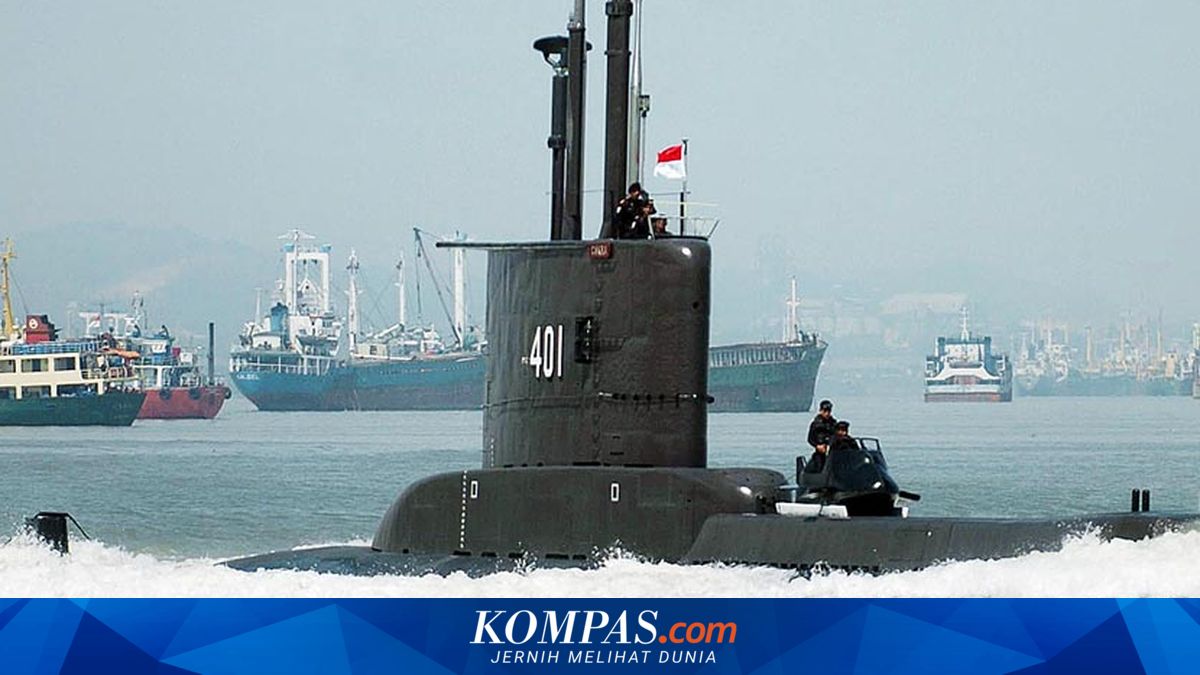
Pemerintah Berencana Beli 1 Kapal Penyelamat Kapal Selam
Menurut Ali, rencana pengadaan kapal penyelamat kapal selam telah diprogramkan oleh Bappenas dan Kemenhan.
 amp.kompas.com
Eventough we have regional agreement with Singapore and other neighbors on Submersible rescue, however we can't just relied on our neighbors on that. Having Submarine rescue vessels should be precondition before operating Submarine. Indonesia already boasted longest experience in ASEAN on Submarine operation. However we neglected building substantial Submarine rescue operation infrastructure. In my opinion we are actually lucky that after 50 years more operating Submarine, we only got one fatal submarine accident.
I don't know whose JFD that you mean in here, thus I don't know whose you're means that don't want us to have our own Submarine rescue apparatus. Yes, I also heard that due to our regional agreement on Submersible rescue, there're some who push the plan Submarine rescue procurement toward lower priority. However after Nenggala I think they don't have choice to put this as priority.
We don't know yet what the actual cause to the accident. That's why the government eager to get Nanggala remains salvage. However the condition will be very challenging. When Russia salvage their Submarine Kursk, it's on much shallow water. I know they accept China's offer since it's much cheaper, but personally I do think they should hire professional deep sea salvage specialist. It will cost us more, but has better chances in my opinion on getting complete salvage operation.
Then again, let's see PLAN capabilities on deep sea salvage.
Add:
Are this JFD that you mean ?
Submarine Rescue Systems | JFD
JFD provides advanced submarine rescue systems, delivering safety, innovation, and global support to 42 navies worldwide.
) www.jfdglobal.com
What's it got to do with not wanting Indonesia to own Submarine Rescue capabilities ? In contrary I think they will hope Indonesia to own Submarine Rescue capabilities. They can hope to get some Contract to train TNI-AL personals with the craft. If TNI-AL do proceed to build their own Submarine Rescue capabilities, they will need some specialist vendors to train them at least.
Last edited:
Submarine Rescue Arrangements & Options — Part 1
JFD provides the service of driving Singapore’s DSRV on MV Swift Rescue and likewise, if the TNI AL wants to, it CAN PAY JFD to do the same. But submarine rescue is much more than the transfer process from sub-to-DSRV — having well trained doctors and medics in the area of hyperbaric medicine is one area of clinical focus. In collaboration with Singapore General Hospital, Singapore’s Navy Medical Service (NMS) has a hyperbaric medicine team on 24-hour standby for emergency situations. The NMS treat two to three emergency cases per month.
The Naval Diving Unit (NDU) conducts an excellent underwater medic course, to enable swift medical treatment for combat divers; which is essential for our special forces.
In June 2008, ST Marine signed a joint venture (JV) agreement with James Fisher Defence Limited (JFD), to provide the sub-rescue service to the Singapore Navy. The current 20-year services contract lasts till 2029 — as a Public Private Partnership project.I don't know whose JFD that you mean in here, thus I don't know whose you're means that don't want us to have our own Submarine rescue apparatus.
JFD provides the service of driving Singapore’s DSRV on MV Swift Rescue and likewise, if the TNI AL wants to, it CAN PAY JFD to do the same. But submarine rescue is much more than the transfer process from sub-to-DSRV — having well trained doctors and medics in the area of hyperbaric medicine is one area of clinical focus. In collaboration with Singapore General Hospital, Singapore’s Navy Medical Service (NMS) has a hyperbaric medicine team on 24-hour standby for emergency situations. The NMS treat two to three emergency cases per month.
The Naval Diving Unit (NDU) conducts an excellent underwater medic course, to enable swift medical treatment for combat divers; which is essential for our special forces.
Last edited:
Hi @PTamb welcome to the forum. This's one of the best forum there is if you want to learn Global Defense in general. Hopefully you learn the rules, as this forum is heavily moderated. Our Moderator are helpful, but don't test their patience on the rules of the forum
As for Indonesian Submarine rescue, since 2019 there's plan being submitted to get Submarine Rescue Vessels. Both the mother vessel and accompany DSRV. After the accident they (MinDef and TNI) are again reiterate the intention to procured Submarine Rescue Vessels.
Pemerintah Berencana Beli 1 Kapal Penyelamat Kapal Selam
Menurut Ali, rencana pengadaan kapal penyelamat kapal selam telah diprogramkan oleh Bappenas dan Kemenhan.
Eventough we have regional agreement with Singapore and other neighbors on Submersible rescue, however we can't just relied on our neighbors on that. Having Submarine rescue vessels should be precondition before operating Submarine. Indonesia already boasted longest experience in ASEAN on Submarine operation. However we neglected building substantial Submarine rescue operation infrastructure. In my opinion we are actually lucky that after 50 years more operating Submarine, we only got one fatal submarine accident.
I don't know whose JFD that you mean in here, thus I don't know whose you're means that don't want us to have our own Submarine rescue apparatus. Yes, I also heard that due to our regional agreement on Submersible rescue, there're some who push the plan Submarine rescue procurement toward lower priority. However after Nenggala I think they don't have choice to put this as priority.
We don't know yet what the actual cause to the accident. That's why the government eager to get Nanggala remains salvage. However the condition will be very challenging. When Russia salvage their Submarine Kursk, it's on much shallow water. I know they accept China's offer since it's much cheaper, but personally I do think they should hire professional deep sea salvage specialist. It will cost us more, but has better chances in my opinion on getting complete salvage operation.
Then again, let's see PLAN capabilities on deep sea salvage.
Add:
Are this JFD that you mean ?
Submarine Rescue Systems | JFD
JFD provides advanced submarine rescue systems, delivering safety, innovation, and global support to 42 navies worldwide.
What's it got to do with not wanting Indonesia to own Submarine Rescue capabilities ? In contrary I think they will hope Indonesia to own Submarine Rescue capabilities. They can hope to get some Contract to train TNI-AL personals with the craft. If TNI-AL do proceed to build their own Submarine Rescue capabilities, they will need some specialist vendors to train them at least.
Thank you for the warm welcome @Ananda . I am well aware of the rules in this forum and have seen some enforcing of the rules being carried out. This forum is by far the best for me to find some information because of the rule itself. Ya gotta say where your info came from or else. It’s a defence forum afterall. Hence my choice to troll most of the time.
JFD refers to James Fisher Defence as you and @OPSSG pointed out. They manufactured the DSRV for the Singaporean Aboard the MV Swift Rescue. I might have to change my wording to ”oppose the idea” instead of ”repel” in regard of JFD comments on making one DSRV for Indonesia.
It might have to do with the agreement between Indonesia and Singapore on submarine rescue as @OPSSG pointed above but it has been proven unsatisfactory when it came to KRI Nenggala accident.
agree on all of your points
Last edited by a moderator:
In June 2008, ST Marine signed a joint venture (JV) agreement with James Fisher Defence Limited (JFD), to provide the sub-rescue service to the Singapore Navy. The current 20-year services contract lasts till 2029 — as a Public Private Partnership project.
JFD provides the service of driving Singapore’s DSRV on MV Swift Rescue and likewise, if the TNI AL wants to, it CAN PAY JFD to do the same. But submarine rescue is much more than the transfer process from sub-to-DSRV — having well trained doctors and medics in the area of hyperbaric medicine is one area of clinical focus. In collaboration with Singapore General Hospital, Singapore’s Navy Medical Service (NMS) has a hyperbaric medicine team on 24-hour standby for emergency situations. The NMS treat two to three emergency cases per month.
The Naval Diving Unit (NDU) conducts an excellent underwater medic course, to enable swift medical treatment for combat divers; which is essential for our special forces.
Appreciate the foreword of the agreement. I’m assuming Indonesia pays a portion of the $400million contract to be in the agreement?
Yes I believe Indonesia CAN and MUST have it’s own rescue system yet whenever I look back at @Ananda concern regarding big contracts’s problem getting approved, my pessimistic self takes over.
Submarine Rescue Arrangements & Options — Part 2
It’s not even called an agreement (which would typically involve payment mechanisms) — the 2012 press announcement only mentions activation procedure and enhancing interoperability (to establish common processes in the conduct of rescue operations). There is nothing mentioned on co-payment of even basic things like mobilisation fees.
MV Swift Rescue is designed to rescue Singapore submarines (which have a smaller crew than TNI AL). Technically, even if MV Swift Rescue can get there in time, the Singapore Navy don’t have enough decompression capacity for all 52 crew at one go, if they are all injured. The Transfer Under Pressure (TUP) chamber installed on Swift Rescue can hold a maximum of 40 members — the TUP limit means Singapore needs international help (from other navies) when working to rescue TNI AL crew. The medical centre is equipped with an 8-bed High Dependency Ward and 10-bed Sick Bay to provide care to critical crew members — which means it can only treat up to 18 injured on-board.
In contrast, the Feb 2021 India and Singapore Submarine rescue agreement, is called an agreement. The newly-signed cooperation will also enable the Indian Navy to enhance submarine patrols in the South China Sea region — which means there may be provisions for reimbursement of certain mobilisation fees incurred on either side. Again, we don’t know the terms of this agreement (as its terms are private between the navies).
We don’t know the terms of Jul 2012 Arrangement between the RSN and the TNI AL Concerning Submarine Rescue Support and Cooperation. Therefore, we can’t assume that Indonesia pays.I’m assuming Indonesia pays a portion of the $400million contract to be in the agreement?
It’s not even called an agreement (which would typically involve payment mechanisms) — the 2012 press announcement only mentions activation procedure and enhancing interoperability (to establish common processes in the conduct of rescue operations). There is nothing mentioned on co-payment of even basic things like mobilisation fees.
MV Swift Rescue is designed to rescue Singapore submarines (which have a smaller crew than TNI AL). Technically, even if MV Swift Rescue can get there in time, the Singapore Navy don’t have enough decompression capacity for all 52 crew at one go, if they are all injured. The Transfer Under Pressure (TUP) chamber installed on Swift Rescue can hold a maximum of 40 members — the TUP limit means Singapore needs international help (from other navies) when working to rescue TNI AL crew. The medical centre is equipped with an 8-bed High Dependency Ward and 10-bed Sick Bay to provide care to critical crew members — which means it can only treat up to 18 injured on-board.
In contrast, the Feb 2021 India and Singapore Submarine rescue agreement, is called an agreement. The newly-signed cooperation will also enable the Indian Navy to enhance submarine patrols in the South China Sea region — which means there may be provisions for reimbursement of certain mobilisation fees incurred on either side. Again, we don’t know the terms of this agreement (as its terms are private between the navies).
Last edited: