Since page #707, there have been some links posted (
with IP's comments, which are ALL worth reading) & here are a couple more...
New Warships COULD BE Built in Rosyth
OUTLINE behind binning plans for future Destroyers
DIP setting up for failure ?
The context & issues behind them are to say the least 'COMPLICATED'.
Shrinking numbers of NEW sailors / falling numbers in births across the Western world,
The current POLITICAL situation in the UK,
The wars in Ukraine & the IRANIAN/Gulf situation,
The NEED for the UK to UPDATE the fleet
THOSE are x6 MEATY issues, which can be added to, with countless others.
The next part may seem like the rantings of a lunatic, up too late at night, with a lack of sleep (
which is partly true, but follow the dots...)
The UK Armed Forces have been underfunded for the last 40 years ! (
Plain & Simple). Party due to financial constraints, partly due to duff input from VARIOUS political parties / leaders (
I am NOT picking on left of right, as BOTH are guilty !).
On the NAVAL Front, the Boom-n-Bust procurement policies / the lack of investment / the Cold-war / Glasnost PEACE dividend & the inability to keep up with NATO required minimum GDP spending limits are all little strings to a bow which will continue to be added to from the myriad of issues from the x6 items listed above.
But for the moment, lets draw a line under that. Yes, it is relevant, but it is colour to the background, as we've gotta look at EXACTLY where we are at this moment.
The Leadership change / the LOSS of a Defence Secretary who opted to resign, as the government STILL weren't practicing what they were preaching, have delayed the formal release of the Defence Investment Plan(DIP). the upshot of this is the media are running around like headless chickens, trying to cover the bases & the government are doing their BEST impression of the Barnum & Bailey circus !
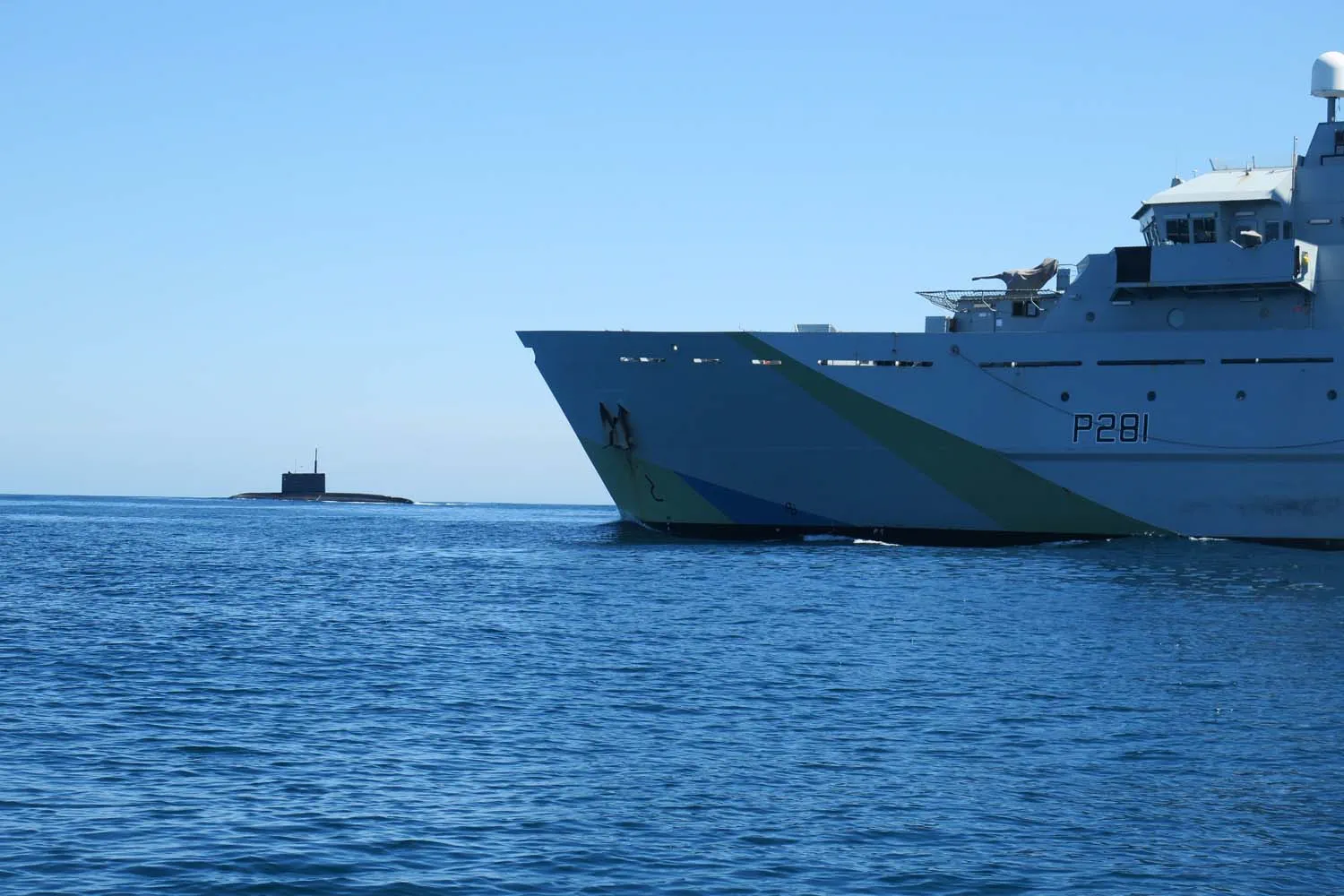
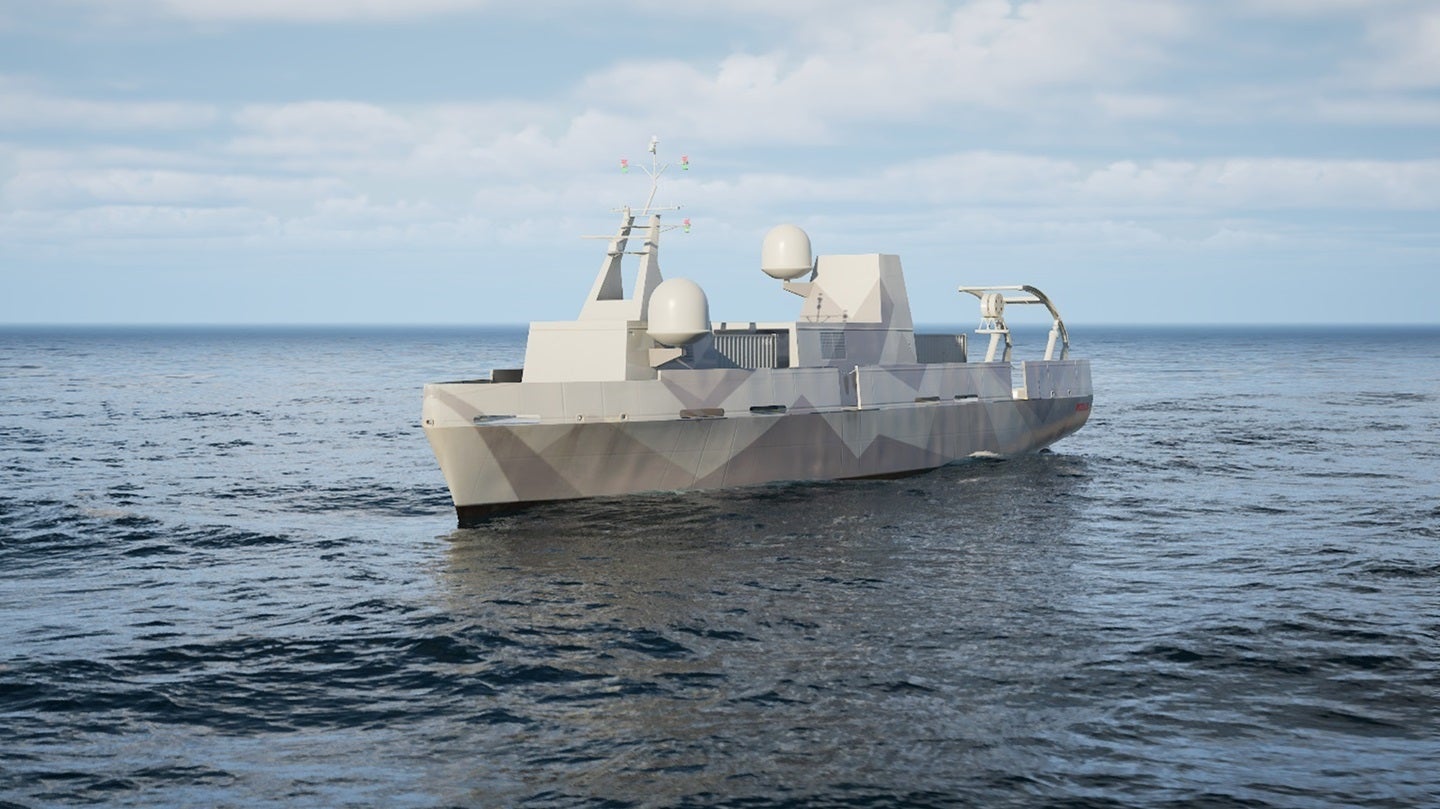
Since the Official release, it is like EVERY 2nd day, ANOTHER announcement comes out : Type 83 cancelled / CCV concept / the move to MORE tech (AI / Drones) / ANNOUNCEMENTS of NUMEROUS joint ventures, with other Nations, the RETIREMENT of x3 other serving vessels, to name but a few...
The HARD part is actually making sense of it all !
Lets put somethings into context...
UK SHIPBUILDING - has been underfunded / falling on its arse for years. Yards closing / consolidation / foreign investors swooping in & buying up companies / properties / assets & then looking for work / bidding for contracts / Programmes being announced/bid & won.
Currently, BAE's yards in Glasgow will be tied up with BUILD of Type 26 & GCS variants. Logically, it may mean Design & Management teams are freed up to cope with some of the 'tasking' on the 'other contracts' being announced, but that can't be guaranteed.
BARROW will NOT be building warships, as they are focussed on subs (
noting that the apprenticeship intake target in 2025 was approx. 1,600 apprentices (but that's off on a tangent from THIS discussion).
PORTSMOUTH Facilities are tied up with the PIP workload & FLEETWIDE updates on Type 45.
NAVANITIA in Northern Ireland are focussed on FSS & will be looking to bid into the OTHER contracts being floated.
BABCOCK Rosyth, are focused on Type 31, hoping to trade this up into some of the other contracts being proposed.
This leaves the smaller players / commercial yards, with the likes of the BALAENA conglomerate (
BALAENA UK) & Fergusons, who are both involved in unit construction for Type 26, but who would like a slice of the cake that's being proposed.
The elements listed above encapsulate the MAJORITY of the UK shipbuilding facilities, which begs the question,
HOW are we going to manage it all ?
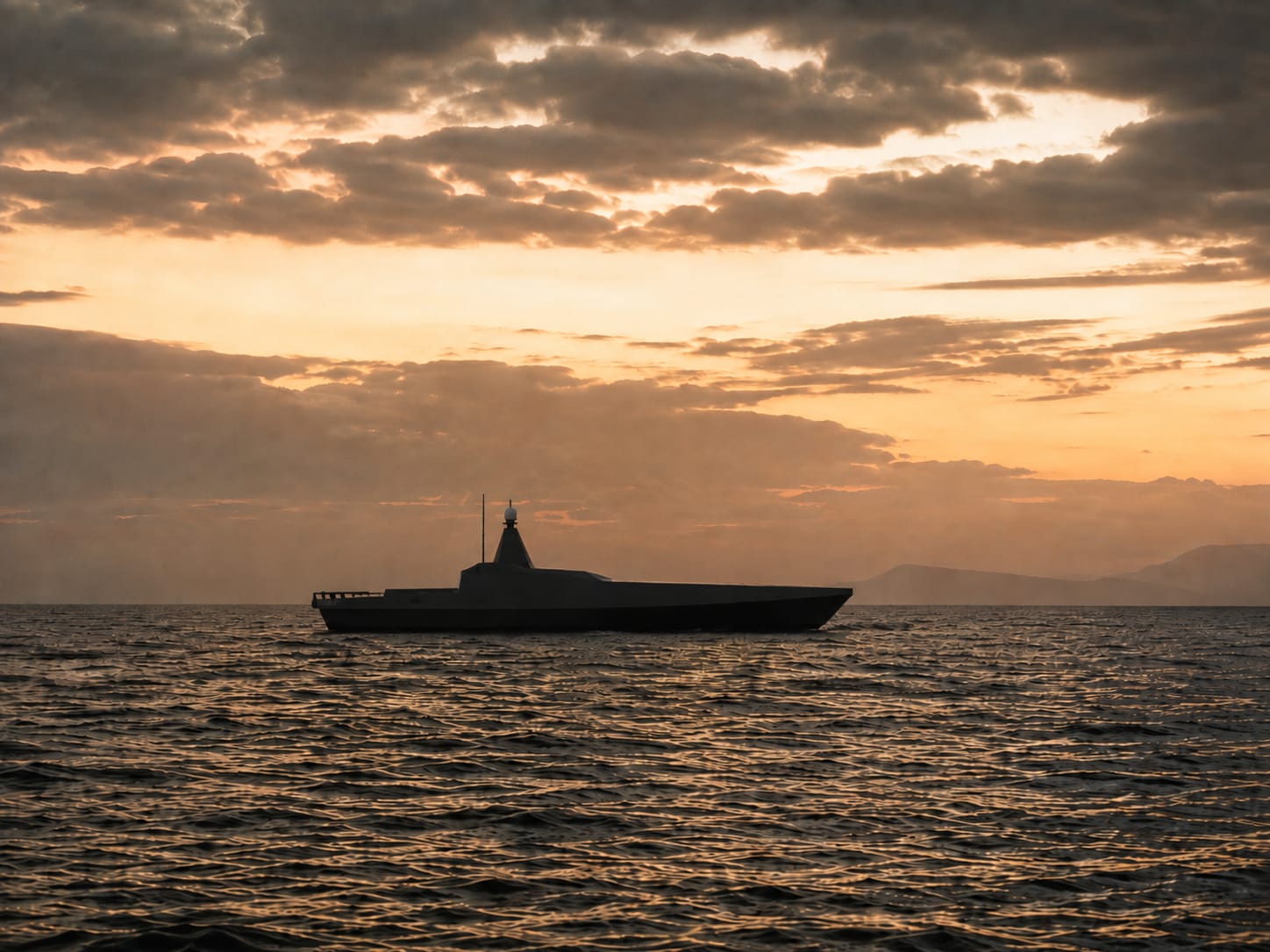
Then there's the Tech/AI elements - the unmanned vessels (
ABOVE & BELOW the surface), their integration into the current fleet, their CONOPS/CONUSE are in their infancy. SOME aspects haven't got answers yet & SOME of the related questions will NOT get asked until the vessels are being operated & somes asks "WHAT about this ? WHAT do we do ?"
Other elements like the FULL integration of the automation systems (
Under the likes of "INDUSTRY 4.0" / IF you have NO CLUE what that is, GO GOOGLE it !). THEY are crucial to the ability to operate a vessel with fewer / NO crew & having worked within the UK Naval Design / Build / Testing fraternity, it is safe to say that I HAVE NOT experienced it on any of the warships built over the last 30 years.
I don't dispute that ELEMENTS of automation have been part of these vessels, but the CONCEPT requires just about EVERY element that MAY have been involved to come together as ONE SYSTEM & be fitted to a ship, all within the next 5 years, or less.
Just think about that. WHICH software do they use ? Yes ships have an 'integrated' computer control system, tied into DOZENS of systems across the likes of cruise liners & some warships, but THAT SOFTAWRE is going to have to 'talk' to
ALL the kit / valves / pumps, while possibly being part of the system that takes the ship out & operates it autonomously, without a man in the loop.
(I THINK that this is a bit more 'complicated' than the likes of TESLA's self-drive system !)
ANYWAY, that's enough of a RANT for now, but it is CERTAIN that like it or not, WE will all be discussing the events of the last 3 weeks, as MORE meat is added to the bones of those numerous releases
SA