Royal Australian Navy Discussions and Updates 2.0

How would an unmanned vessel handle 12–16-meter waves broadside, who would be controlling the vessel during high sea states?

I have had modest experience in the sea and it takes a lot of skill to handle big seas, not sure AI is there yet and you need to see and feel the sea to understand how your boat is going!
Point no1, don't go broadside.

12-16 metre waves are pretty violent for any ship. Most of the current USV designs all reference safe operation up to and including sea sate 7, so the risk of loosing a platform is possible in the conditions you refer to. Its not that they can't survive higher sea states, there is just not a lot of real data available to confirm simulations.

That said, there are cases of USVs in cyclone conditions. NOAA for instance sent a small USV into Hurricane Humberto in Sep 2025 to collect data, (which was a category 5 storm). It survived winds upwards of 250km and waves of 10 metres.

I've been reading some of the reviews on the AI navigation software used in several of the recent autonomous vessels. The better systems are capable of using optical and IR camera recognition to map waves, along with other sensors like gyroscopes, anemometers and radar to plot a best course through sea conditions. They are autonomously capable of blue ocean sea navigation and for instance picking quartering lines through waves. The technology here is surprisingly mature. There are edge cases, such as restricted harbor access in rough weather where they can fail.

It is important to note that the mothership or shore terminal is not actively driving them. Navigation commands are at the high level, such as marking waypoints, or directions like follow in convoy port side. The more advanced USVs can sail independently and remotely.

All vessels get caught side on at some point, I've been there, its ugly. I think ship design here remains critical, such that ensuring righting forces are appropriate. Ship design also includes ensuring sensors like cameras have protection and have redundancy.
 
Some of the autopilots used in short handed sailing are insane.

Foiling Ultims and IMOCA’s in the Southern Ocean, and they aren’t allowed to have control inputs from people on other vessels or a control room via satellite.

Whereas these unscrewed naval vessels can be monitored remotely and manually controlled remotely when/where required.
Naval vessels are usually WELDED together, not screwed!!!! Sorry, I had to say it!
 
My view is offboard storage. Keep the multi function bay for a fleet of speartooths, and travel with half a dozen small uncrewed surface vessels with 16 VLS apiece. That makes 128 VLS total. Add some more if you want additional surveillance or some extra drone/point defence capabilities.

It provides for a lot more flexibility, better redundancy and, given the cost of the current USN procurement of MUSVs, not a lot of extra cost. This type of USV might not be fully mature at the moment, but I think it will be in way less than a decade.

I would view the technology is currently good enough that if we were forced to (i.e war starts today) we could adopt it right now and live with its shortfalls for immediate capability for the Hobarts and probably the ANZACs. Hell perhaps even the Arafuras.

I just see the traditional DDG as no longer the best way to provide the capability, and it is starting to become more of a liability than a benefit. Its a big target with all the eggs in one basket.
That doesn't seem to be the view of the major navies around the world. Off-board seems to be in addition to big MFU's with large missile capacities.

USN and China have been in this game for a long time, but even the French are on-board now with that style of large missile load-outs - FDI plans to expand to a 64x cell VLS and their future design - SCX26 up to 96x.


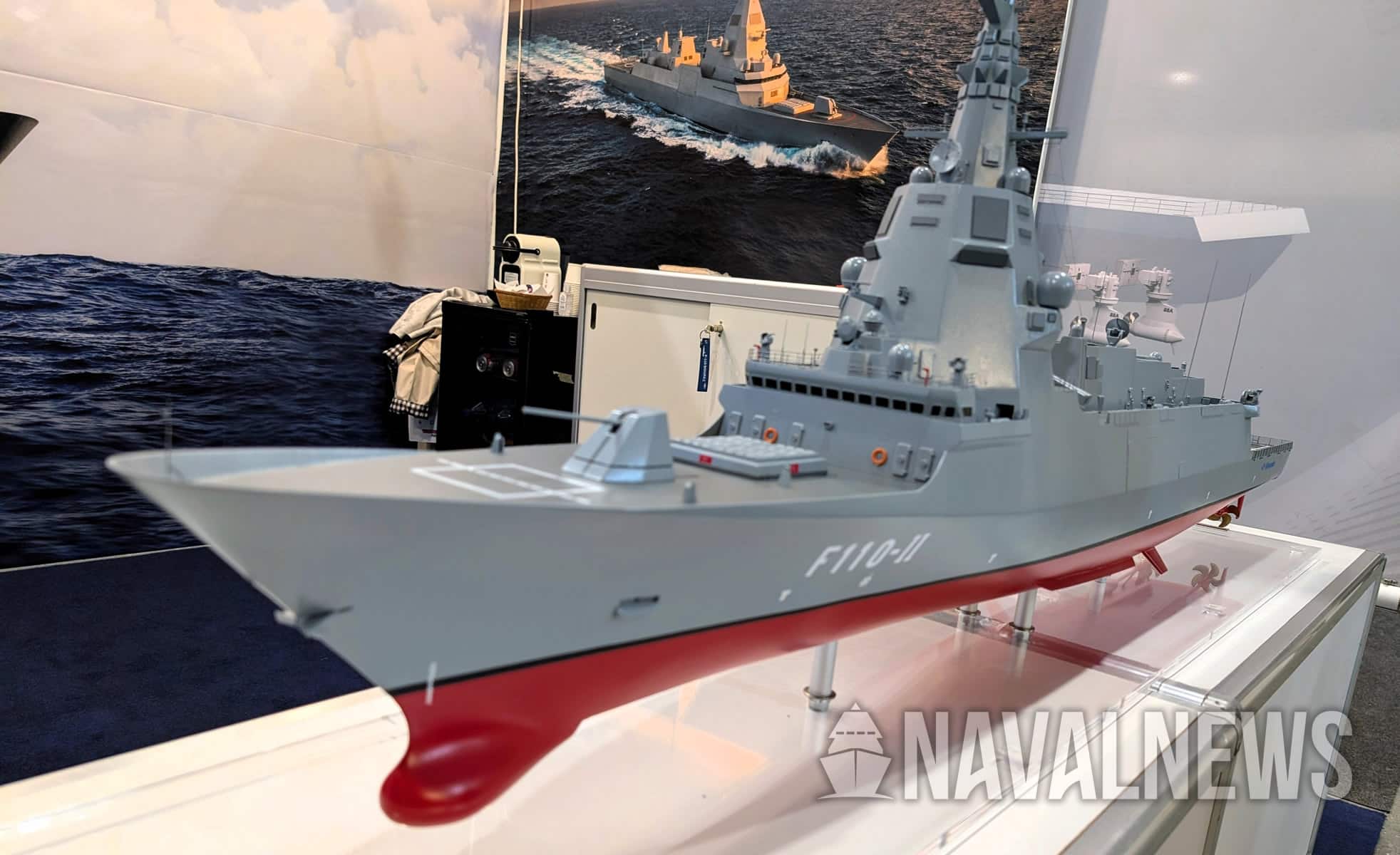
Spain is heading down this path as well:


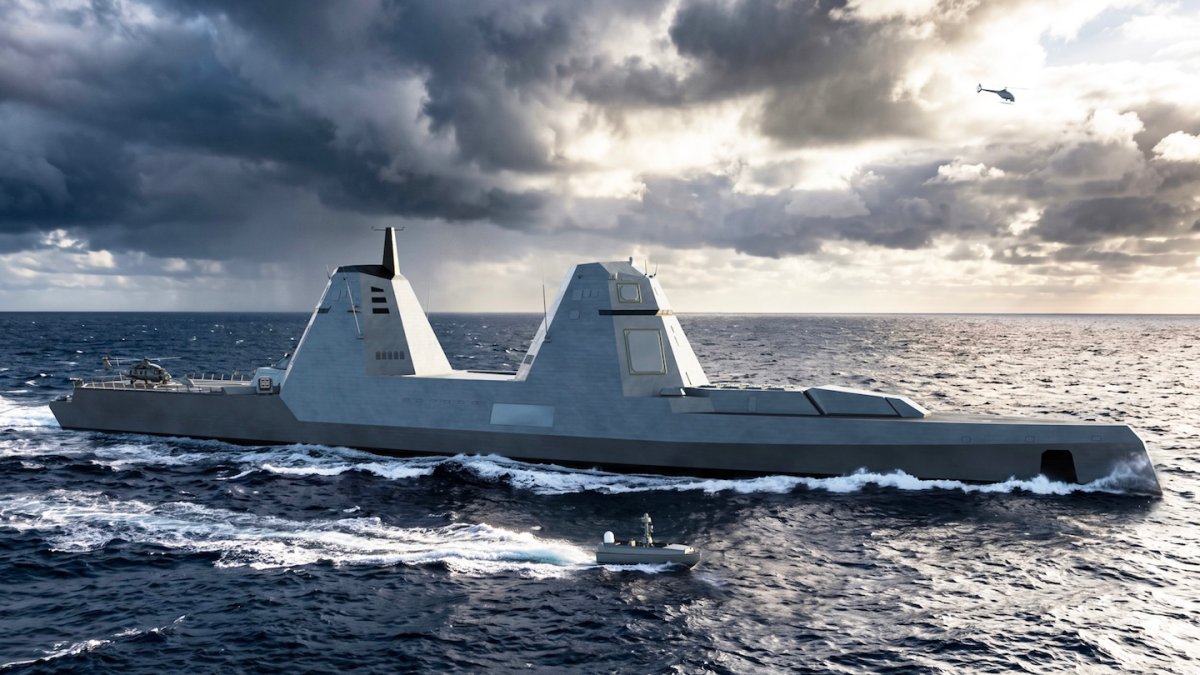
Japan with it's humungous ASEV is clearly on-board ...

Among modern navies introducing next generation surface designs, RAN seems to be the outlier insofar as it is introducing among the largest of such ships, with the smallest combat load-outs...

Hopefully it is a case of just getting the ships first and then we see them properly armed down the track, but given the murmurs about the design constraints being maxed out already, we'll see...

Yet another case of the ADF's seeming love affair with knowing exactly what is coming at it and then having precious little of anything to do something about it...
Yep, that is true.

I feel that naval technology is at a tipping point, but neither in one camp or the other.

2-3 years ago, even 1 year ago, competent uncrewed technology felt at least a decade away. Many of the above ship designs were prepared on this forecast. The acceleration in capability however is surprising and I would have the view that it outstrips strategic thinking.

I'll call out two examples in the other camp, being the UK common combat vessel (successor to the Type 86), and the USN FFX, both intended as drone control platforms. Now these two examples come with their own controversies, but they indicate Australia (or perhaps just myself) is not alone in this thinking.

A lot more uncrewed surface vessels will come into service in the next 12-24 months. It will be interesting to see how the actual integration and testing goes. Are they effective and powerful force multipliers, or are they just too immature in capability and their weaknesses too problematic. I think we willknow soon.
 
Back
Top