ADF General discussion thread

StevoJH

The Bunker Group
As a pro nuclear power advocate if viable alternatives exist then these would be preferable to nuclear primarily due to the waste management issues. Solar and wind are good options but for base load NG is needed. Eventually due to CO2 emissions nuclear will be necessary at some point. Delaying this has one advantage, maybe fusion will arrive (….a big maybe):rolleyes:
Nuclear also costs more (at least in an Australian context) per kWh when taking into account all through life costs.

We should be able to have enough generation capacity through renewables when backed up with sufficient battery capacity via both chemical or kinetic storage.

There has been a lot of work on this, and because of the size of the country and the average weather conditions once you get away from the coast there shouldn't be enough days without either wind or sun to create an issue.

Especially since there are quite a few new gas plants that have been built for when additional capacity may be required.

--------------------

Saying that, it seems a waste to be training nuclear engineers for the Navy and then having no civil career options in Australia for after they leave the military, or even for mid career secondments. Huge risk of brain drain to overseas.
 

SamB

New Member
Nuclear also costs more (at least in an Australian context) per kWh when taking into account all through life costs.

We should be able to have enough generation capacity through renewables when backed up with sufficient battery capacity via both chemical or kinetic storage.

There has been a lot of work on this, and because of the size of the country and the average weather conditions once you get away from the coast there shouldn't be enough days without either wind or sun to create an issue.

Especially since there are quite a few new gas plants that have been built for when additional capacity may be required.

--------------------

Saying that, it seems a waste to be training nuclear engineers for the Navy and then having no civil career options in Australia for after they leave the military, or even for mid career secondments. Huge risk of brain drain to overseas.

Someone mentioned energy density. It makes sense to place compact reactors or the like closer to urbane areas but where you can place infrastructure next to renewables it would also make sense.
 
Last edited:

76mmGuns

Well-Known Member
Hi all,

I have a question which will show my non defence industry status...

** How much of military development does the country it occurs in actually own or keep?

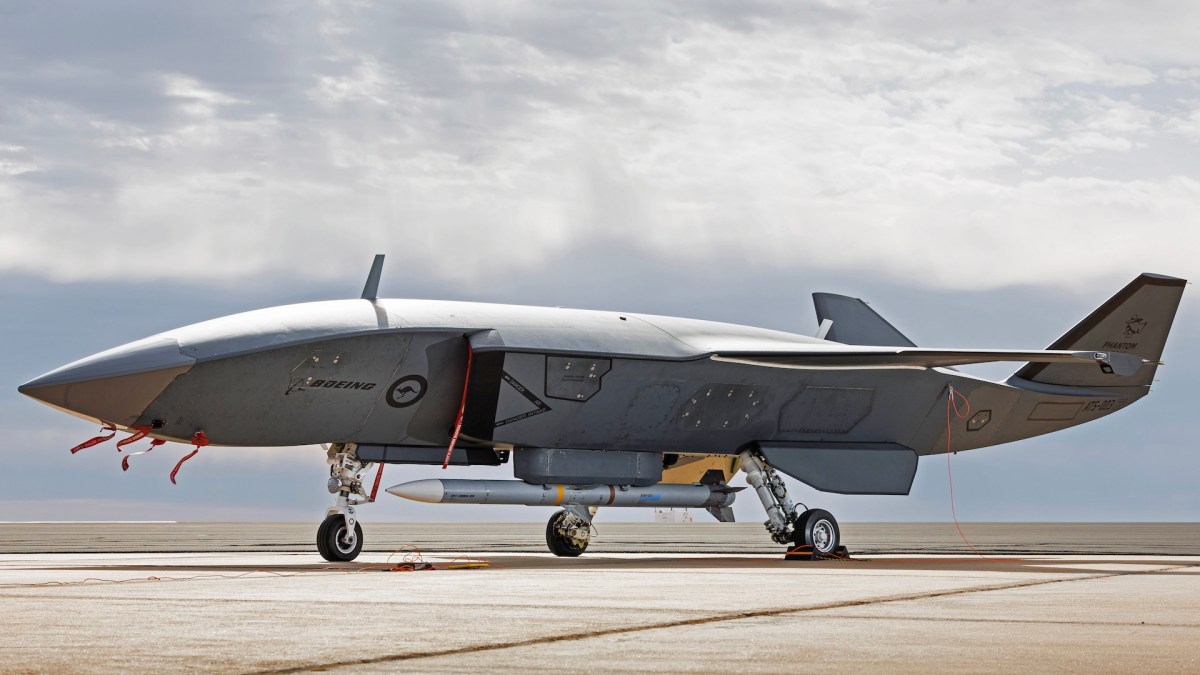
For example, Boeing Australia is developing the Ghost Bat in conjunction with the Australian Air Force. But Boeing is an American multinational company. Is the Ghost Bat really an Aussie devlopment, or is Australia simply the location Ghost Bat is developed, and GB is really Boeing's, which makes it more American?


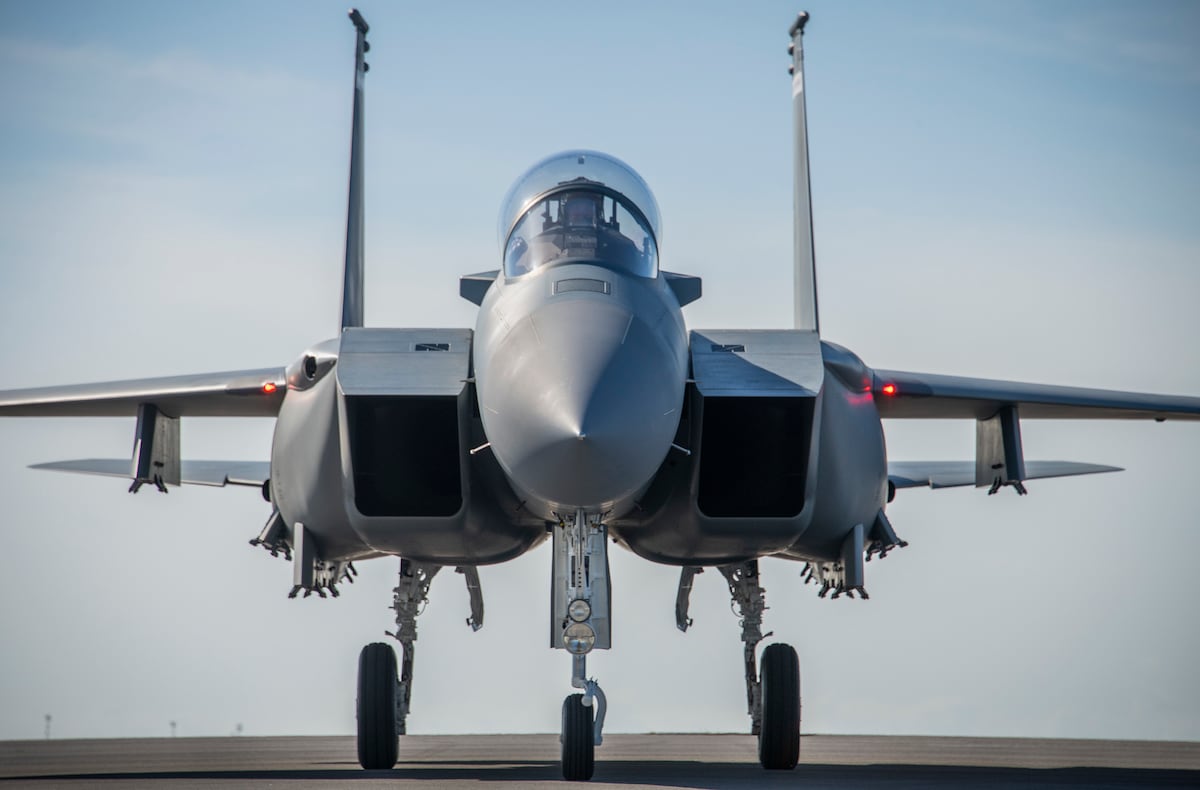
Boeing just sweetened their offer to Poland by adding the Ghost Bat to their F15EX's. That implies GB is Boeings first, maybe Australia's a distant second.
 

Bob53

Well-Known Member
Nuclear also costs more (at least in an Australian context) per kWh when taking into account all through life costs.

We should be able to have enough generation capacity through renewables when backed up with sufficient battery capacity via both chemical or kinetic storage.

There has been a lot of work on this, and because of the size of the country and the average weather conditions once you get away from the coast there shouldn't be enough days without either wind or sun to create an issue.

Especially since there are quite a few new gas plants that have been built for when additional capacity may be required.

--------------------

Saying that, it seems a waste to be training nuclear engineers for the Navy and then having no civil career options in Australia for after they leave the military, or even for mid career secondments. Huge risk of brain drain to overseas.
I’m not entirely convinced it costs more yet. As for an Australian context…does that mean nuclear is cheaper but we make it more expensive because of the backward way we do things? One thing I see with renewables is that the opp cost of the land and corridors being used is never taken into account. It all sounds wonderful but I haven’t seen anything to realistically suggest batteries can carry the load. As for gas stations…none are getting built. I’m not certain about other states but gas Newport was commissioned about 1980 …500mw and Gas Jeeralang 1979 …which is 450mw are It going to run for ever. Coal fired Loy Yang A …2200mw …30% of Victoria’s electrical generation is due to close around 2034. Yallourn with about 20% of victorian out put 1400mw due to close in 2028. If my maths is correct the lights are going off.
 

Todjaeger

Potstirrer
Hi all,

I have a question which will show my non defence industry status...

** How much of military development does the country it occurs in actually own or keep?

For example, Boeing Australia is developing the Ghost Bat in conjunction with the Australian Air Force. But Boeing is an American multinational company. Is the Ghost Bat really an Aussie devlopment, or is Australia simply the location Ghost Bat is developed, and GB is really Boeing's, which makes it more American?
Simple question, but I suspect the answer is rather complex, with the shortest, easiest answer being, "it sort of depends..."

As I understand it, the answers you are after are quite dependent on what the respective national laws are, especially the IP laws as well as military/defence law, since some countries (like the US in particular) have enacted laws which regulate defence and defence tech access and dissemination. It is likely that under Australian law, the IP developed by Boeing Australia through R&D is subject to Australian IP laws and control, even though Boeing Australia is a subsidiary of the US company Boeing. In practice, this would likely mean that the parent company Boeing could take profits (earned by Boeing Australia) generated by production and sales of Ghost Bat, but Australia itself could likely block or restrict sales and/or export of the Ghost Bat and related tech. Of course Australia's ability to block or restrict Boeing Australia in such a way would be dictated by what Australian law is in effect. I am uncertain if Australia currently has equivalents to US laws like ITAR or AECA, but I suspect there is at least something on the books.

OTOH the situation could also be a bit more complicated if any of the funding Boeing Australia used for the R&D came from the US or the US gov't, as that could give the US a stake in the tech. IIRC this happened with CEA, where the US gov't provided some funding for CEA to work on AusPAR which was to be a sort of follow-on to the CEA FAR AESA.
 

StevoJH

The Bunker Group
I’m not entirely convinced it costs more yet. As for an Australian context…does that mean nuclear is cheaper but we make it more expensive because of the backward way we do things? One thing I see with renewables is that the opp cost of the land and corridors being used is never taken into account. It all sounds wonderful but I haven’t seen anything to realistically suggest batteries can carry the load. As for gas stations…none are getting built. I’m not certain about other states but gas Newport was commissioned about 1980 …500mw and Gas Jeeralang 1979 …which is 450mw are It going to run for ever. Coal fired Loy Yang A …2200mw …30% of Victoria’s electrical generation is due to close around 2034. Yallourn with about 20% of victorian out put 1400mw due to close in 2028. If my maths is correct the lights are going off.
Please see attached AEMO Annual Report for Victoria.

As per page 25 and Figure 6 on page 26, current installed capacity in Victoria as of the 30th of August 2025 was the following:
- Total capacity = 17.1GW, of which 9.6GW is renewable.
- 8.9GW of large-scale wind, solar and battery storage
- 0.7GW of Hydro
- 5.1GW of Coal
- 2.4GW of Gas

These numbers do not include roof top solar and home batteries.

Pages 21 through 24 detail expected withdrawal dates of coal and what it is expected to be replaced by.

You are welcome.
 

SammyC

Well-Known Member
Please see attached AEMO Annual Report for Victoria.

As per page 25 and Figure 6 on page 26, current installed capacity in Victoria as of the 30th of August 2025 was the following:
- Total capacity = 17.1GW, of which 9.6GW is renewable.
- 8.9GW of large-scale wind, solar and battery storage
- 0.7GW of Hydro
- 5.1GW of Coal
- 2.4GW of Gas

These numbers do not include roof top solar and home batteries.

Pages 21 through 24 detail expected withdrawal dates of coal and what it is expected to be replaced by.

You are welcome.
Google says there is an additional 5.5GW of rooftop solar in Victoria (848,000 homes for a penetration of 30% of dwellings). 246MW were installed in 2025 alone.

As of early 2026, 44,000 home batteries have been installed in Victoria. At a national average of 15kWh, that equates to 0.6GWh of battery. I think this number is rapidly increasing, so expect it to be in the GWhs within 12 months.

In 2025, 45% of Victoria's total generation was from renewable sources.
AEMO

Peak demand for Victoria was 10.8GW, which occured in late Jan 26. 47% of this peak came from renewables.
 
Last edited:

hauritz

Well-Known Member
Hi all,

I have a question which will show my non defence industry status...

** How much of military development does the country it occurs in actually own or keep?

For example, Boeing Australia is developing the Ghost Bat in conjunction with the Australian Air Force. But Boeing is an American multinational company. Is the Ghost Bat really an Aussie devlopment, or is Australia simply the location Ghost Bat is developed, and GB is really Boeing's, which makes it more American?


Boeing just sweetened their offer to Poland by adding the Ghost Bat to their F15EX's. That implies GB is Boeings first, maybe Australia's a distant second.
In the case of the MQ-28 the Australian Government holds significant control over the intellectual property, development and export of this aircraft. Boeing would require approval from the Australian government before it sold this aircraft to other countries.

On the subject of which Boeing Australia has now teamed up with Rheinmetall to offer the Ghost Bat to the German Military. That also gives us greater access to the European market as a whole. The MQ-28 is the most mature CCA on the market and that should help its chances of picking up a few orders from Europe. That Europe can minimise its dealings with the US also won't hurt its chances either.
 
Last edited:

old faithful

The Bunker Group
Verified Defense Pro
Google says there is an additional 5.5GW of rooftop solar in Victoria (848,000 homes for a penetration of 30% of dwellings). 246MW were installed in 2025 alone.

As of early 2026, 44,000 home batteries have been installed in Victoria. At a national average of 15kW, that equates to 0.6GW of battery. I think this number is rapidly increasing, so expect it to be in the GWs within 12 months.

In 2025, 45% of Victoria's total generation was from renewable sources.
AEMO

Peak demand for Victoria was 10.8GW, which occured in late Jan 26. 47% of this peak came from renewables.
You would think that every major Government building would have solar panels and a house battery wouldn't you?
 
Top